
About
Representation
View all Representation →Consultations- Digitisation Taskforce – Final Report
- FCA Consults on Fund Product Information and Cost Disclosure CP24/30 – ShareSoc Responds
- FRC Consults on UK Stewardship Code – ShareSoc Responds
- FCA Consultation – Modernising Redress
- HMRC Consultation – IHT on Pensions
- ShareSoc Evidence to Lords on FCA Enforcement
- ShareSoc supports FCA proposal for criminal background checks on owners and controllers of financial institutions
- UK ISA: ShareSoc submits consultation response
- FCA Consultation on Enforcement Practice & Transparency
- ShareSoc response to House of Commons Education Select Committee
- UKSA and ShareSoc Submission to Labour Party Review of Financial Services
- FCA Consultation GC23/2 Financial Promotions on Social Media
- VIEW ALL CONSULTATIONS
Education
Events
View all Events →Upcoming Events- Sep7ShareSoc Webinar with The Henderson Smaller Companies Investment Trust (HSL)
- Sep8ShareSoc Webinar with Lloyds Banking Group PLC (LLOY)
- Sep15ShareSoc Webinar with Henderson High Income Trust (HHI)
- Sep17ShareSoc Webinar with Global Managed Portfolio Trust (CMPG)
- Forums
ShareSoc Director Spotlight – Bozena Howells
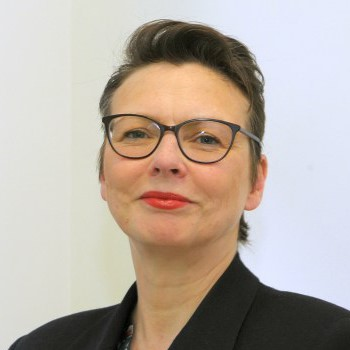
What inspired you to join ShareSoc’s board and what motivates you to represent INDIVIDUAL investors?
My professional career has been spent acting on behalf of claimants, consumers, shareholders and investors in large-scale group litigation. I have seen first-hand the imbalance of power between individuals and institutions, and the very real financial and personal impact when protections fail. I first worked with ShareSoc on the Woodford Equity Income Fund campaign and was impressed by its commitment to promoting shareholder rights, supporting investors in recovering their losses, and holding Link Fund Solutions to account.
What motivated me to join ShareSoc as a non-executive director is the opportunity, in retirement, to continue to help redress that imbalance between organisations and individuals, and to protect and promote the interests of consumers and INDIVIDUAL shareholders.
At the same time, I have always recognised the importance of building a solid investment portfolio, not just for my own financial security and growth, but for the broader role that individual investment plays in supporting the UK economy. I am passionate about ensuring that people of all ages have access to clear, accessible education and information about investing. The work that ShareSoc does in this area is both important and impactful, and I am proud to contribute to it.
ShareSoc is led by volunteer directors. How do you think this influences the organisation’s values, priorities, and campaigns?
The fact that ShareSoc is led by volunteer directors is one of its greatest strengths. It ensures that the organisation is driven by purpose rather than profit, and that its priorities remain aligned with the interests of INDIVIDUAL investors rather than commercial considerations.
In my experience, when individuals give their time voluntarily, it reflects a genuine dedication to the cause. That brings a level of independence and integrity that is difficult to replicate in more commercially driven organisations. It also means that campaigns are grounded in real-world concerns and lived experience, rather than abstract policy positions.
That said, it does require discipline and clarity of purpose. As highlighted in our recent discussions around potential charitable status, maintaining a clear focus on public benefit, particularly through financial education and the promotion of high standards of corporate governance, is essential to ensuring credibility and long-term impact.
I continue to be consistently impressed by the time and commitment that ShareSoc’s Chair and longstanding directors devote, often alongside other professional and personal responsibilities.
From your perspective, how has ShareSoc evolved over time, and what key insight would you share with newer investors?
As a relatively new board member, I bring a fresh perspective rather than a long institutional history. What is clear to me, however, is that ShareSoc has evolved from being primarily a representative voice for shareholders into an organisation with a much broader role, particularly in promoting financial education, good governance, and public benefit.
That evolution reflects significant changes in how individuals build financial security. There is now far less reliance on defined benefit pensions, lower returns on cash savings, and property is no longer as straightforward or reliable a default strategy as it once was. At the same time, policy and market developments are increasingly pushing individuals towards investing in financial markets.
As a result, more people are entering markets out of necessity rather than experience, and in an increasingly uncertain economic environment.
My key insight for newer investors is that there is real opportunity in investing; however, it comes with equally real risk. Understanding diversification, time horizons, and the potential for loss is essential, and decisions should be approached with care and discipline.
In that context, ShareSoc’s role in education, advocacy, and investor protection is becoming ever more important.
As a new board member, what unique experiences or perspectives do you bring, and how do you see these shaping ShareSoc’s work this year?
Much of my legal career has been spent acting for consumers and investors in complex group actions, which has given me a strong focus on accountability and the importance of ensuring that investor rights are properly protected and enforced.
At the same time, my own experience reflects the broader shift that is taking place. Like many people, I have historically relied heavily on property as a means of long-term financial security. However, in a changing economic and regulatory environment, that model is more uncertain. I am therefore approaching investment in financial markets more directly, bringing with me both a healthy caution and a recognition of the need for greater education.
I see this as representative of a “new breed” of investor, individuals who may not come from traditional financial backgrounds but who are increasingly required to engage with investing in order to secure their financial future.
Over the coming year, I hope to help ensure that ShareSoc’s work reflects and supports this shift by strengthening its focus on accessible financial education, while continuing to advocate for robust protections for INDIVIDUAL investors. As more people enter the investment landscape, it is essential that they are better informed, supported and protected.

Become a free Associate ShareSoc member
Enter your email to sign up as a free Associate ShareSoc member and receive our emails. It takes a few seconds — and on the next page you'll have the option to customise your membership.