
Should I Save or Invest?
Crafting the Optimal Financial Strategy for Your Future
In the dynamic financial environment of today, individuals face the pivotal choice of whether to save or invest their available funds. Both strategies are essential for securing financial stability, yet they fulfill distinct roles and come with various levels of risk and potential reward. Grasping the nuances of when to save and when to invest is vital for formulating a comprehensive financial strategy tailored to your personal goals and circumstances.
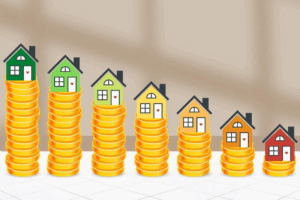
The Fundamentals: Saving vs. Investing
When you spend less than your income, the excess can be put into savings or investments. Some people set aside a regular amount for savings and investment as part of their budgeting.
Saving
Saving involves setting aside money for future needs, typically in secure and easily accessible accounts like savings or money market accounts. The primary objective of saving is to protect capital while earning a modest interest rate. Savings accounts are generally low risk, meaning you do not have to worry about losing money, or not earning interest payments.
However, the interest you earn might often lag behind inflation, potentially eroding your purchasing power over time.
Investing
Investing means allocating your money to acquire assets such as shares, bonds (including cash and gilts), mutual funds, or real estate, with the goal of achieving higher returns over time. While investing carries the risk that your investments may go down in price, it also offers the potential for substantial rewards. Historically, stock market investments have outperformed inflation, enabling long-term investors to enhance their purchasing power and accumulate wealth.
Traditionally many advisers have recommended the 60/40 model of 60% invested in equities and 40% in bonds/money market accounts/cash. However, this model underperformed when the artificially low rates of interest in the QE period ended.
The theory is that as you get older you should expose yourself less to the risks of stock market declines (bear markets) and have more invested in cash/bonds.
When to Save
Short-term Objectives
For short-term financial goals, such as building an emergency fund, planning a vacation, or purchasing a new appliance, saving is the most prudent approach. A common recommendation is to maintain an emergency fund that covers three to six months of living expenses, ensuring you can manage unforeseen costs without resorting to high-interest debt.
Low Risk Appetite
Individuals who prefer a conservative approach and are uneasy about the prospect of losing money may find comfort in saving. The assurance that your funds are secure can significantly contribute to overall financial well-being.
Immediate Cash Needs
If you anticipate needing cash soon, whether for a home deposit, educational expenses, or other significant purchases, keeping those funds in a savings account for easy access is advisable.
When to Invest
Long-term Aspirations
Investing is more suitable for long-term objectives, such as retirement planning, funding children’s education, or wealth accumulation. With a longer investment horizon (ideally five years or more), you can weather market fluctuations, which can lead to enhanced returns over time.
Higher Risk Tolerance
Investing may attract those willing to embrace greater risk for the possibility of higher returns. If you are comfortable with market volatility and have a well-defined investment strategy, consider allocating a portion of your funds to investments rather than solely saving.
Inflation Hedge
Investing serves as an effective strategy to counteract inflation. Over time, the potential appreciation of investments can exceed inflation rates, thereby preserving or even increasing your purchasing power. This is something that savings alone may not be able to achieve.
Striking a Balance Between Saving and Investing
Achieving a successful financial strategy often hinges on finding the right equilibrium between saving and investing. Here are some strategies to help you attain that balance:
- Determine Your Financial Position: Assess your current expenses, income, and financial commitments to determine how much you can allocate to savings vs investments.
- Build an Emergency Fund: Before venturing into investments, ensure you have a robust emergency fund to cover unexpected financial challenges. Any debt, other than low-cost mortgage debt, should be repaid before considering investment. Most non-mortgage debt incurs interest costs that are higher than expected returns from investments.
- Clarify Your Goals: Identify your short-term and long-term financial objectives. Prioritise saving for near-term goals and focus on investing for long-term aspirations.
- Develop a Budget: A well-structured budget can facilitate effective cash flow management, allowing you to designate specific amounts for both saving and investing.
- Enhance Your Financial Knowledge: Learning about the investment landscape can help alleviate concerns about investing. Consider consulting financial advisors, reading financial literature like newspapers and books, or attending decent quality investing workshops to boost your financial literacy.
There is a wealth of valuable investment information available online, particularly at ShareSoc. We encourage you to become a member to access our educational resources, blogs, and articles. Additionally, you can also join our SIGnet network, which provides opportunities to connect with fellow investors, ranging from beginners to experienced investors, both in your local area and through Zoom meetings. You can become a ShareSoc and/or SIGnet member here.
- Monitor and Adjust: Regularly review your financial situation and investment performance to make necessary adjustments based on evolving circumstances, goals, or market dynamics.
Conclusion
Both saving and investing are integral to a sound financial strategy, each serving distinct purposes. Saving offers security and liquidity for short-term needs, while investing fosters capital growth over time, aiding in wealth accumulation and future planning. By assessing your financial goals, risk tolerance, and time horizon, you can identify the optimal balance between saving and investing that aligns with your unique situation. Informed decision-making today will lay the groundwork for a more secure and prosperous financial future.